What is Air Filtration Media and How Does It Work?
Air Filtration Media plays a crucial role in maintaining air quality. It serves as the first line of defense against airborne particles, allergens, and pollutants. This media comes in various forms, including fibers, membranes, and pleated designs. Each type targets specific contaminants, making it vital for homes and industries alike.
Understanding how Air Filtration Media works is essential. It traps particles as air flows through, enhancing indoor air quality. However, many people overlook the importance of regular maintenance. Clogged filters can reduce airflow and hinder effectiveness. Recognizing this flaw can lead to better air quality and health benefits.
Not all Air Filtration Media is created equal. Some materials may be more effective than others based on specific applications. It’s important to choose the right one for your needs. Ignoring this can lead to dissatisfaction and compromised air quality. Evaluating different options thoughtfully can create a healthier environment.
What is Air Filtration Media?
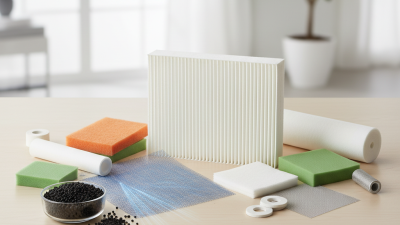
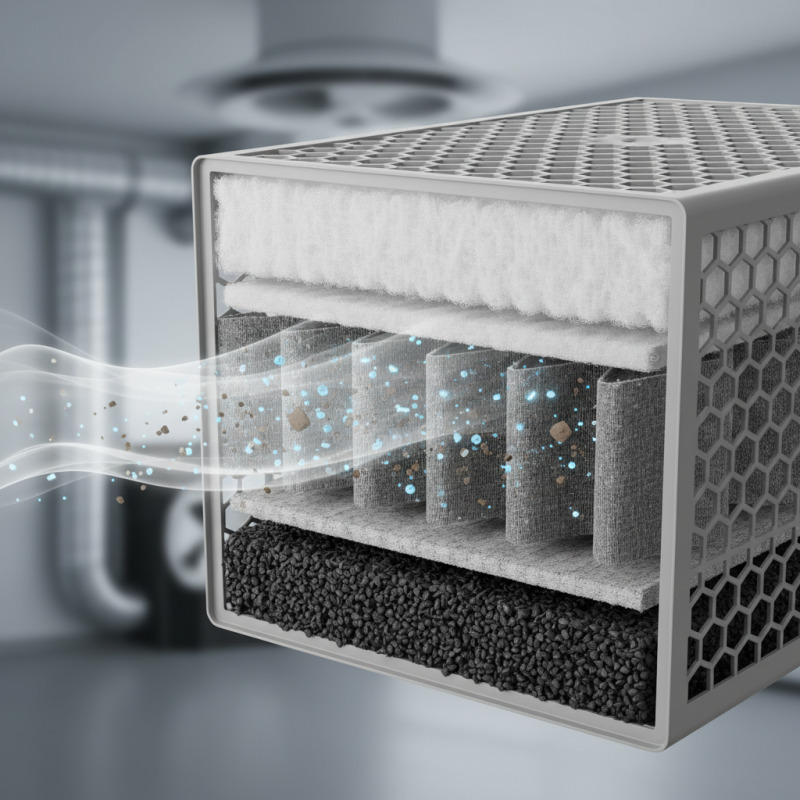
Air filtration media plays a crucial role in maintaining air quality. Essentially, it refers to various materials used to trap particles and pollutants. Common types include fiberglass, pleated polyester, and activated carbon. These materials capture dust, allergens, and odors, contributing to healthier indoor environments.
The effectiveness of air filtration media can be quantified through metrics like MERV ratings. A study by the American Society of Heating, Refrigerating and Air-Conditioning Engineers (ASHRAE) highlights that filters with a MERV rating of 13 or higher capture up to 98% of airborne particles. This data underscores the significance of selecting the right filter for optimal performance.
However, it's important to choose air filtration media wisely. Some filters may not fit standard HVAC systems properly, limiting their effectiveness. Moreover, frequent replacement is necessary for maintaining their performance. A report from the U.S. Department of Energy suggests that neglecting maintenance can decrease system efficiency by up to 15%. Thus, understanding the various types and their limitations is essential for effective air filtration.
Types of Air Filtration Media Available in the Market
Air filtration media play a critical role in keeping indoor air clean. There are various types available in the market today. Each type has distinct qualities, making them suitable for different environments.
One common type is fiberglass filters. They are lightweight and affordable. However, they may not capture all fine particles. Pleated filters are another option. They have larger surface areas, improving air flow and trapping smaller particles. Nonetheless, they can be pricier and require more frequent changes.
Electrostatic filters also stand out. They use static electricity to attract dust and allergens. While effective, they may not be suitable for all HVAC systems. HEPA filters are renowned for their efficiency, capturing up to 99.97% of particles. However, they can restrict airflow in certain scenarios. Choosing the right type involves considering not just efficiency, but also compatibility with your system and maintenance requirements.
How Air Filtration Media Works: The Science Behind Filtration
Air filtration media are vital components in cleaning the air we breathe. These materials trap particles like dust, pollen, and smoke. They work based on several scientific principles. The most common method is mechanical filtration. This is where size matters. Smaller particles are more difficult to capture.
The process happens when air flows through the media. Larger particles hit the fibers and get stuck. Smaller particles sometimes pass through but may be caught later. Electrostatic forces can also help. Some filters use static electricity to attract particles. This makes them more efficient.
However, not all air filtration media perform equally well. Material choice is crucial. Some might not capture pollutants effectively. Additionally, filters need regular maintenance. A clogged filter can do more harm than good. It may restrict air flow, reducing efficiency. Understanding these factors can lead to smarter choices in air quality management.
Applications of Air Filtration Media in Various Industries
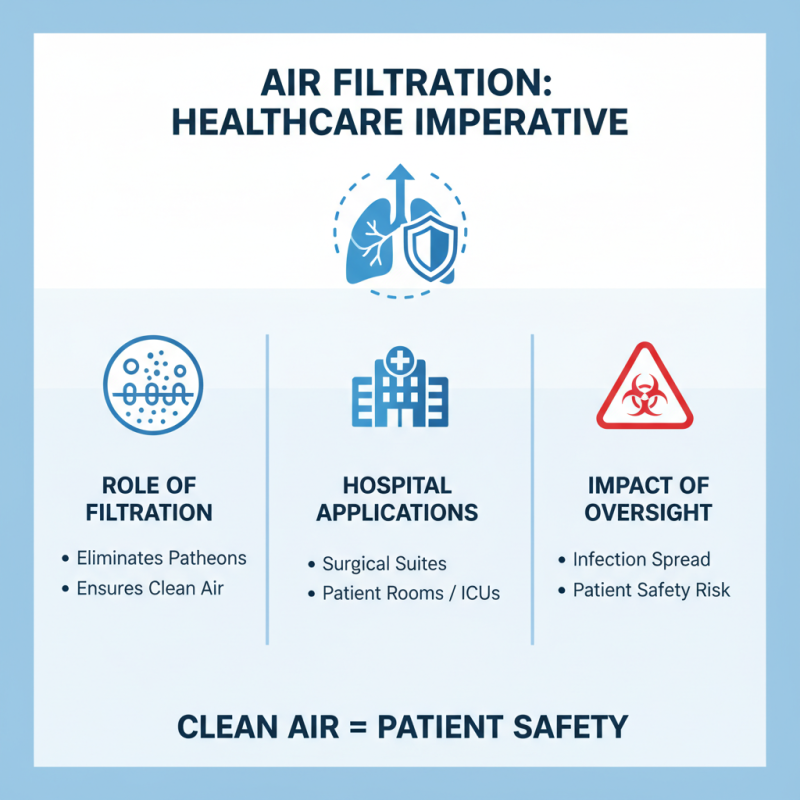
Air filtration media play a vital role across many industries. In healthcare, clean air is crucial. Hospitals use specialized filters to eliminate pathogens. This helps prevent infections and ensures patient safety. Even a small oversight in filtration can lead to serious consequences.
In the manufacturing sector, air quality directly impacts product quality. Factories implement filtration systems to remove dust and contaminants. This prevents defects and maintains operational efficiency. However, the choice of media is essential. A poor selection might not capture all particles, risking production quality.
The food industry also benefits from air filtration media. Clean air is crucial for maintaining hygiene and safety standards. Filtration helps eliminate allergens and spoilage microbes. Yet, the effectiveness of these systems can vary. Regular maintenance is necessary to avoid system failures that could compromise product integrity.
Benefits of Using Quality Air Filtration Media for Health and Environment
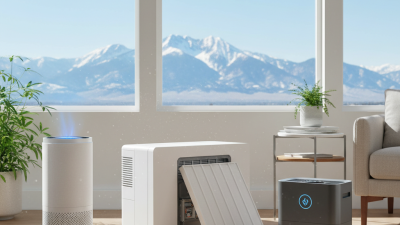
Air filtration media plays a crucial role in maintaining indoor air quality. It captures dust, pollen, and other pollutants. This process involves trapping particles as air flows through the filter. As a result, it significantly reduces airborne contaminants. Clean air promotes better health for everyone.
Using quality air filtration media offers numerous benefits for health and the environment. For example, it can help alleviate asthma or allergy symptoms. By filtering out harmful particles, it creates a cleaner living space. Fewer pollutants mean less strain on our respiratory systems. Quality media can also help reduce the risk of illnesses. It’s essential to choose filters that can genuinely trap microscopic pollutants.
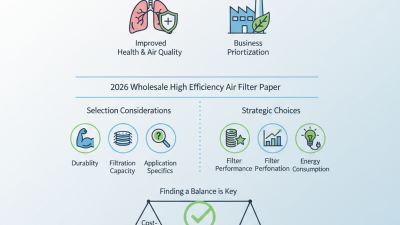
However, not all air filters perform equally. Some may require frequent replacements, which can lead to waste. Regular maintenance is key to maximizing filter efficiency. Awareness of these factors can lead to more informed choices. Investing in quality air filtration media may seem daunting, but it is crucial for health. The challenge lies in finding the perfect fit for your needs.
Impact of Air Filtration Media on Health and Environment