How to Choose a Cheap Plate Primary Efficiency Medium Filter
Choosing a Cheap Plate Primary Efficiency Medium Filter requires more than comparing the lowest purchase price. The filter must match the air volume, installation space, and target contaminant level. A weak fit can create bypass leakage around the frame. That defeats the filter’s rated performance.
ASHRAE Standard 52.2-2017 evaluates particle removal through MERV testing, not price alone. Its method measures efficiency across different particle-size ranges. The ASHRAE Handbook—HVAC Systems and Equipment also emphasizes pressure drop, filter loading, and fan energy. These factors matter in real buildings. A filter that looks inexpensive may become costly when airflow resistance rises. The U.S. Environmental Protection Agency also explains that cleaner air depends on both effective filtration and adequate airflow. Numbers need context.
This guide examines how to select a Cheap Plate Primary Efficiency Medium Filter for practical HVAC use. It considers initial cost, MERV performance, pressure drop, dust-holding capacity, frame strength, and replacement intervals. Picture a dusty workshop, a small office, or a crowded retail ceiling. Each setting demands a different balance. The cheapest filter is not automatically the best value. Sometimes, yes, it performs well. Sometimes, the label hides important limitations. Buyers should verify independent test data, dimensions, gasket quality, and operating conditions before ordering. One detail is easy to overlook: a filter’s efficiency can change as it loads with dust. Careful selection remains imperfect, but documented evidence makes the decision more reliable.
What a Plate Primary Efficiency Medium Filter Is
How to Choose a Cheap Plate Primary Efficiency Medium Filter
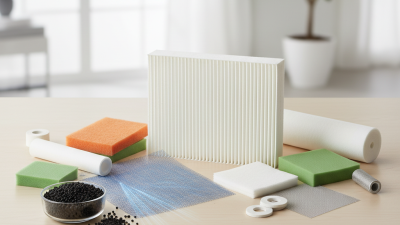
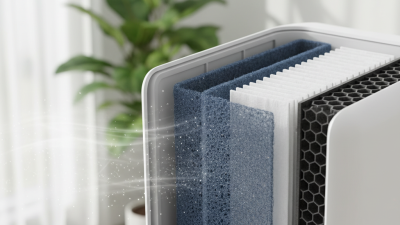
A plate primary efficiency medium filter is an air filter designed for the first stage of a ventilation system. It usually has a rigid frame, a fibrous filtering layer, and a supporting grid. Air passes through the media while larger dust, lint, and some airborne particles remain trapped.
The term “primary efficiency” describes its basic cleaning role, not complete purification.
A medium filter offers more resistance than a low-efficiency panel, but it can protect downstream equipment more effectively. In practical maintenance checks, I look for an even media surface, firm edges, and a frame that fits without gaps. Small gaps matter. Unfiltered air may bypass the filter entirely.
A cheap option should be judged by total operating cost, not purchase price alone.
Check the filter size, airflow rating, pressure drop, and replacement interval. A low-cost filter that loads quickly may increase fan energy and maintenance work. Dusty workshops often need earlier replacement than clean office areas. Conditions vary.
Avoid vague efficiency claims. Ask for test information based on a recognized standard, and compare results from similar conditions. I would also inspect the seal after installation, because a good filter performs poorly when poorly fitted.
This is where my earlier assumption was wrong: thicker media does not automatically mean better filtration. The system’s airflow and housing design still control the real result.
Key Features That Affect Filter Performance and Cost
How to Choose a Cheap Plate Primary Efficiency Medium Filter
A low-cost plate primary efficiency medium filter should balance purchase price, airflow, and service life. In field inspections, poor sealing often causes more problems than weak filter media. Dust can bypass the filter through small gaps around the frame.
Check the filter’s dimensions carefully. Even a few millimeters can create leakage. A larger media area usually captures dust with less resistance, helping fans use less energy. However, thicker media is not automatically better. Confirm the rated airflow, pressure drop, and dust-holding capacity before choosing. A rigid frame also matters in humid equipment rooms, where weak cardboard may bend. Look for clear test data and a traceable manufacturing specification. Vague efficiency claims deserve caution.
Tips: Measure the housing first. Compare pressure-drop data at your actual airflow. Inspect the gasket after installation. Replace the filter when loading becomes visible or airflow declines.
A cheaper filter may increase operating costs if it loads quickly. I have seen apparently economical filters require frequent replacement in dusty workshops. That result was disappointing, but it showed why purchase price alone is a poor measure. Consider labor, disposal, fan energy, and indoor air requirements. The best value is usually the filter that meets the system’s needs without restricting airflow unnecessarily. Check performance after installation, because real conditions can differ from laboratory ratings.
How to Choose a Cheap Plate Primary Efficiency Medium Filter - Key Features That Affect Filter Performance and Cost
Typical specifications for low-cost primary medium-efficiency panel filters. Actual values depend on filter size, media, airflow, humidity, and test method.
| Filter Configuration |
Typical Thickness |
Recommended Face Velocity |
Typical Initial Pressure Drop |
Typical Particle Performance |
Relative Purchase Cost |
Typical Service Interval |
| Flat synthetic panel |
20–25 mm |
1.5–2.5 m/s |
35–90 Pa |
Basic coarse-particle removal; commonly used as a prefilter |
Low |
1–3 months in moderately dusty conditions |
| Flat glass-fiber panel |
20–25 mm |
1.5–2.5 m/s |
40–100 Pa |
Low to moderate coarse-particle removal; lower dust-holding capacity than pleated media |
Low |
1–2 months in dusty conditions |
| Pleated synthetic panel |
25–50 mm |
1.5–2.5 m/s |
45–120 Pa |
Moderate particle removal; greater media area improves dust-holding capacity |
Low to medium |
2–6 months, depending on dust loading |
| Pleated synthetic medium-efficiency panel |
50–100 mm |
1.5–2.5 m/s |
60–150 Pa |
Often selected for approximately MERV 8–11 performance targets; verify with a certified test report |
Medium |
3–9 months in normal commercial air-handling applications |
| Deep-pleat rigid panel |
150–300 mm |
1.5–2.5 m/s |
80–180 Pa |
Higher dust-holding capacity and longer life; usually unnecessary where purchase price is the main priority |
Medium to high |
6–18 months, subject to final pressure-drop limit |
| Selection Factor |
Lower-Cost Choice |
Performance Impact |
Cost Consideration |
| Filter media |
Synthetic fiber |
Generally moisture-resistant and suitable for routine HVAC prefiltration |
Usually economical; confirm fiber strength and media support |
| Pleat depth and count |
Moderate pleat depth with open spacing |
More usable media area can reduce pressure rise and increase dust-holding capacity |
Excessively tight pleats can raise resistance without proportional performance benefits |
| Initial pressure drop |
Prefer the lowest value that meets the required efficiency |
Lower resistance reduces fan energy use and helps maintain designed airflow |
A cheaper filter may cost more to operate if its pressure drop is high |
| Frame material |
Moisture-resistant coated board or lightweight galvanized steel |
A rigid, sealed frame prevents bypass air around the media |
Board frames are often cheaper; metal frames are more durable and reusable in some systems |
| Airflow sealing |
Correct-fit gasket or edge seal |
Poor sealing can significantly reduce installed filtration performance |
A small sealing upgrade is often more cost-effective than selecting a much higher filter grade |
| Test documentation |
Independent performance data using ASHRAE 52.2 or ISO 16890 methods |
Provides a reliable basis for comparing efficiency and pressure drop |
Avoids paying for unverified efficiency claims or unsuitable media grades |
|
Practical buying rule: Choose a correctly sized pleated synthetic panel with verified efficiency, low initial pressure drop, a rigid frame, and an effective edge seal. Replace the filter according to the system’s final pressure-drop limit rather than using a fixed calendar date alone.
|
How to Compare Filter Materials, Sizes, and Efficiency Ratings
How to Choose a Cheap Plate Primary Efficiency Medium Filter
A cheap plate filter should match the system, not merely the purchase price. In maintenance inspections, fit and pressure drop often matter more than attractive efficiency figures. Fiberglass media is usually economical and suitable for basic dust control. Pleated synthetic media generally captures finer particles, but it may restrict airflow more quickly. Check the published test method before comparing materials. MERV and ISO ePM ratings are not identical scales.
Measure the existing filter carefully. Confirm length, width, thickness, airflow direction, and frame clearance. A small gap can let dusty air bypass the media. A thicker filter may improve dust-holding capacity, but only if the housing has enough space. Compare initial resistance and recommended replacement resistance, not efficiency alone. A filter rated for higher particle capture can increase fan energy use. That trade-off is easy to overlook.
Tips: Write the actual filter size on the housing. Check the filter after several weeks, especially near construction areas. Look for uneven dust loading, crushed edges, or airflow noise. Use verified test data from recognized standards, and ask the supplier for pressure-drop information. The cheapest option may fail sooner. I have seen an apparently suitable filter perform poorly because its frame was slightly undersized. Measuring twice is worthwhile.
Steps for Choosing an Affordable Filter for Your System
Choosing an affordable plate primary-efficiency medium filter starts with your system, not its price tag. Check the filter slot carefully. Measure its length, width, and actual thickness. A filter that bends or leaves gaps can allow dust to bypass the media.
Review the equipment manual and the filter’s tested efficiency. Primary-efficiency filters usually protect coils and fans from larger particles. They are not designed to replace specialized air-cleaning equipment. Compare pressure drop, service life, and airflow requirements. A cheaper filter may restrict air sooner, increasing fan workload and energy use. That cost is easy to miss.
Look for clear test data and consistent manufacturing details. Ask whether the filter suits your airflow rate, operating temperature, and installation position. Inspect the frame, sealing edge, and media after delivery. Loose fibers or crushed corners deserve attention. Small defects matter.
I once focused too heavily on unit price. The replacement needed frequent changes and became less economical. That mistake changed my buying process. Now I compare cost per operating month, not cost per box. Keep a simple maintenance record with installation dates, pressure readings, and visible dust buildup. If readings are unavailable, inspect the filter every few weeks during heavy-use periods. Real conditions can differ from the specification sheet. A lower-cost option may work well, but only when airflow remains stable and the fit stays reliable.
Installation, Maintenance, and Replacement Considerations
How to Choose a Cheap Plate Primary Efficiency Medium Filter
Installation, Maintenance, and Replacement Considerations
A low purchase price should not decide everything. Check the filter’s exact length, width, depth, and airflow direction before ordering. A plate primary-efficiency medium filter must sit firmly in its frame. Gaps allow dusty air to bypass the media. That mistake is common. During installation, switch off the air-handling equipment and inspect the frame for bent edges. Use a qualified technician when access is difficult or airflow serves sensitive spaces. Follow the filter’s technical sheet and applicable ventilation requirements.
Tips: Mark the installation date on the frame. Check for dust streaks around the edges. Measure pressure drop when practical. Keep spare filters dry and sealed.
Maintenance should follow actual conditions, not only a calendar reminder. Inspect the filter monthly in dusty rooms and less often in cleaner areas. A loaded filter can reduce airflow, increase fan effort, and affect indoor comfort. Replace it when pressure drop reaches the equipment limit, when the media is damaged, or when contamination is visible. Do not wash disposable media unless the instructions clearly permit it. I once delayed replacement to save money, but the fan worked harder and the saving disappeared. That experience still needs checking against measured data. Record dates, pressure readings, and unusual odors. Choose a replacement with matching dimensions and suitable efficiency, because a cheaper filter may create higher operating costs.
How to Choose a Cheap Plate Primary Efficiency Medium Filter
Installation, maintenance, and replacement planning should be based on operating conditions rather than purchase price alone. The chart shows typical planning intervals for replacing a primary medium-efficiency filter in different environments. Actual service life depends on airflow, dust loading, humidity, and the filter’s final pressure-drop limit.
Practical guidance: Install the filter in the correct airflow direction, seal the frame to prevent bypass, inspect it regularly, and replace it when it is visibly loaded or reaches the air-handling unit’s specified pressure-drop limit. Filters in dusty or construction-adjacent areas generally require more frequent replacement than those in low-dust office environments.