Digital Tips for Choosing Air Filtration Systems in Denver CO?
Choosing the right air filtration systems in Denver, CO, can feel overwhelming. With so many options available, it's essential to focus on what truly matters. Air quality is vital for health, and a proper filtration system makes a difference. Understanding factors like particle size, airflow rate, and filter types is crucial. These elements directly impact how effectively systems can purify the air.
Residents often overlook maintenance aspects. Regular filter changes and cleanings can greatly enhance system performance. An educated choice can also help save on energy costs. The market offers various models, yet not all are suited for every home. Evaluating personal needs and specific requirements ensures better air quality.
While research is vital, advice from experts in air filtration systems in Denver, CO, can provide insights. Be cautious of misleading claims and promises. Aim for systems backed by solid reviews and reputable brands. Trustworthy choices lead to healthier living spaces. In a rapidly changing environment, making informed decisions becomes ever more important.
Understanding Air Quality Needs in Denver, CO
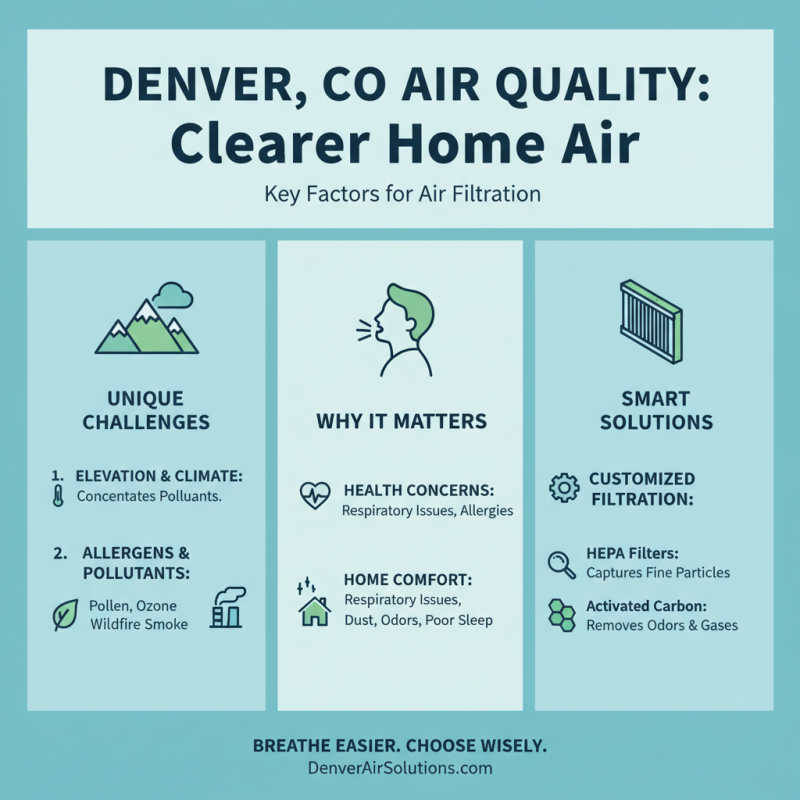
Air quality in Denver, CO, is a growing concern for residents. The city's unique climate and elevation can lead to increased levels of allergens and pollutants. Understanding local air quality needs is vital for selecting an effective air filtration system. Many homeowners may not realize the importance of having a system that can handle specific pollutants common in this region.
Particulate matter and allergens can exacerbate respiratory issues. Denver's high elevation can trap pollutants, making them persist longer. When choosing an air filtration system, focusing on HEPA filters is essential. They can capture 99.97% of particles that are 0.3 microns or larger. However, some systems may not be effective against gases and odors. Evaluating different filtration technologies can help determine the best option.
Consider local environmental reports to assess your air quality needs accurately. Monitoring seasonal changes in pollution levels can also be helpful. It's important to think about maintenance, too. Some filtration systems require regular filter changes, which can be a hassle. Ensuring your chosen system is easy to maintain will enhance its long-term effectiveness.
Types of Air Filtration Systems Available
When considering air filtration systems in Denver, it's essential to understand the different types available. HEPA filters are among the most popular. They can capture tiny particles like dust, pollen, and pet dander effectively. This makes them a great choice for allergy sufferers. However, they may not be as effective against gases or odors.
Activated carbon filters are another option. They focus on absorbing pollutants and odors, making your indoor air smell fresher. Yet, they need regular replacement to maintain their efficiency. Some systems use a combination of both HEPA and carbon filtration to address broader concerns. This hybrid approach can enhance indoor air quality significantly.
Other systems include UV air purifiers, which use light to kill bacteria and viruses. They work well when combined with traditional filters. However, their effectiveness can vary based on design and usage. Considering your specific needs and living space is crucial in making the right choice. Do not overlook your environment; air quality can change with seasons.
| Type of Air Filtration System |
Description |
Pros |
Cons |
Recommended Use |
| HEPA Filters |
High-efficiency particulate air (HEPA) filters capture 99.97% of particles. |
Excellent at trapping small particles; great for allergy sufferers. |
Can restrict airflow if not maintained; needs replacement. |
Homes with allergens and asthma issues. |
| Activated Carbon Filters |
Filters that use activated carbon to absorb odors and chemicals. |
Great for odor removal; reduces harmful chemicals. |
Not very effective against particulates. |
Homes with pets or strong odors. |
| UV Air Purifiers |
Systems that use ultraviolet light to kill or inactivate pathogens. |
Effective at reducing germs and bacteria. |
Does not remove particles or odors. |
Medical facilities or homes with high health concerns. |
| Electrostatic Filters |
Filters that use an electrostatic charge to attract airborne particles. |
Reusable and washable; good particle capture. |
Can be costly upfront; less effective on smaller particles. |
General use in homes. |
| MERV Rated Filters |
Filters rated by the Minimum Efficiency Reporting Value (MERV) standard. |
Wide range of filtration capabilities based on MERV rating. |
Higher ratings can reduce airflow. |
Various applications depending on MERV rating. |
Key Features to Consider When Choosing Air Filters
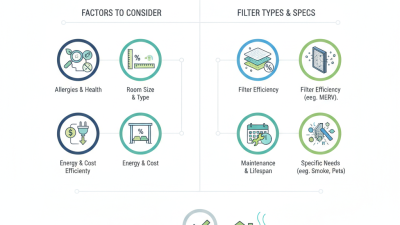
When selecting air filtration systems in Denver, CO, understanding key features is vital. Look for filters that capture small particles effectively.
HEPA filters are popular for their ability to trap 99.97% of airborne particles. This can be crucial in urban areas with higher pollution levels.
Pay attention to the filter's MERV rating. A higher MERV rating means better filtration. However, it may reduce airflow.
Balancing filtration efficiency with airflow is essential for optimal performance. Also, consider the filter's lifespan. Regular replacement is necessary to maintain effectiveness.
Tips for choosing filters include evaluating your specific needs. Allergies and asthma can dictate the type of filtration required.
Assess the size of your space; larger areas might need more robust systems.
Finally, look for easy installation options. An air filtration system should not be a burden to maintain.
Evaluating System Efficiency and Performance Ratings
When selecting air filtration systems in Denver, evaluating system efficiency and performance ratings is crucial. The efficiency rating typically includes MERV (Minimum Efficiency Reporting Value) scores, which indicate a filter's ability to capture particles. For residential systems, a MERV rating between 8 to 13 is often recommended. Higher ratings capture smaller particles but may restrict airflow, impacting overall HVAC performance.
According to a report from the U.S. Department of Energy, poorly maintained HVAC systems can lose up to 30% of their efficiency. Regular filter changes and system maintenance are essential. Filters should be checked every month and replaced every three months. Studies show that homes with high MERV rated filters can see a 25-50% reduction in airborne pollutants.
Performance metrics, such as airflow resistance and filter lifespan, are vital. Some systems perform well initially but degrade quickly. Homeowners should consider long-term reliability over short-term savings. Additionally, energy consumption might increase with higher-rated filters. It’s important to balance efficiency with the potential impact on energy costs.
Maintenance Tips for Longevity of Air Filtration Systems
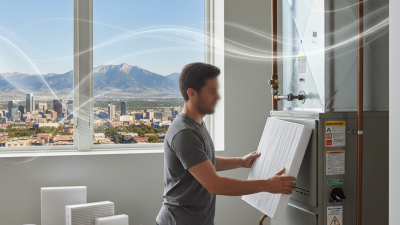
Air filtration systems require regular maintenance for optimal performance. Frequent filter replacement is crucial. This ensures that allergens and pollutants are effectively captured. Ignoring this task can lead to reduced air quality and system strain. Check your filter every month. A clogged filter is less effective and can even damage the unit.
Keep the system clean. Dust and debris buildup can hinder airflow. Use a damp cloth to wipe down vents and accessible parts. Also, inspect the ductwork for any blockages. This can prevent airflow issues and improve overall efficiency. A well-maintained system operates quietly and performs better, providing cleaner air for your home.
Consider the location of your filtration system. Dust and pet hair can accumulate quickly in busy areas. Evaluate the placement and adjust it if necessary. Notice any unusual sounds from the unit? That might point to an underlying issue needing immediate attention. Regular check-ups can extend the lifespan of your system and enhance its reliability. An effective air filtration system should serve you well for years if properly cared for.