Best Air Filtration Media for Superior Indoor Air Quality?
Indoor air quality is a growing concern for many. People spend a significant amount of time indoors. This raises the importance of effective air filtration. One key component to consider is the choice of air filtration media.
Different air filtration media offer varying levels of performance. High-efficiency particulate air filters are popular due to their effectiveness. However, not all filters suit every environment. Some may trap odors better, while others focus on removing allergens. It's crucial to evaluate specific needs.
Selecting the right air filtration media can make a real difference. Poor quality filters may not achieve desired results. This can lead to health issues over time. It's essential to understand the properties and limitations of each type. Knowledge of air filtration media empowers consumers to make informed choices for a healthier home environment.
Understanding Air Filtration Media Types and Their Functions
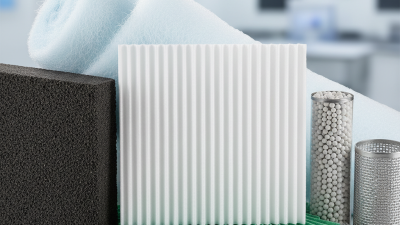
When considering air filtration media types, it’s essential to understand their unique functions in improving indoor air quality. HEPA filters are popular for their ability to capture tiny particles, including dust and allergens.
They can trap 99.97% of particles that are 0.3 microns in size. This makes them excellent for homes with pets or allergies. However, they may not be the most effective against gases or odors.
Activated carbon filters excel in adsorbing volatile organic compounds and odors.
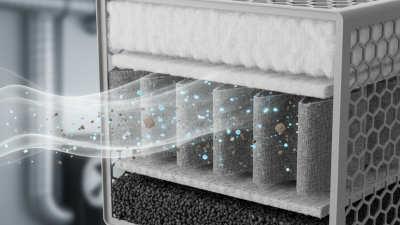
They provide an additional layer of protection by removing harmful chemicals from the air. These filters usually work well in conjunction with HEPA filters to enhance overall air quality. However, over time, activated carbon can become saturated and need replacement. Monitoring these filters is crucial to maintaining proper indoor air conditions.
Additionally, electrostatic filters use charged fibers to attract particles. These can be washed and reused, which might save costs in the long run. Yet, they may not be as effective as HEPA filters in capturing smaller particles. Choosing the right filtration media requires careful consideration of specific needs and circumstances, with a focus on balancing efficiency and maintenance. Each option presents unique challenges that require ongoing evaluation.
Key Factors Influencing Indoor Air Quality Improvement
Indoor air quality (IAQ) is crucial for health. Several factors can significantly influence improvements. One key aspect is the choice of air filtration media. High-efficiency particulate air (HEPA) filters can capture 99.97% of particles. This capability reduces allergens, dust, and pollutants.
Another important factor is ventilation. Poorly ventilated spaces can trap indoor contaminants. Opening windows can help bring fresh air in. Yet, this also sometimes invites outdoor pollutants. Regular maintenance of HVAC systems ensures effective airflow. Cleaning ducts can remove accumulated dust and reduce irritants.
Humidity levels also play a role in IAQ. A balance between too dry and excessively humid air is essential. High humidity promotes mold growth, while low humidity can lead to dry skin and respiratory issues. Monitoring humidity with a hygrometer can help maintain an optimal environment. Making these adjustments can lead to noticeable changes in your indoor air quality. Often, simple actions yield significant benefits.
Comparative Analysis of HEPA, Activated Carbon, and Electrostatic Filters
When considering air filtration for superior indoor air quality, HEPA, activated carbon, and electrostatic filters emerge as top contenders. HEPA filters, renowned for capturing 99.97% of particles as small as 0.3 microns, are particularly effective against allergens like dust and pollen. Studies show that homes using HEPA filtration can see a significant reduction in asthma symptoms, improving overall respiratory health.
Activated carbon filters focus on absorbing odors and volatile organic compounds (VOCs). While they excel in gas and odor removal, they struggle with particulate matter. According to the Environmental Protection Agency (EPA), indoor air can be up to five times more polluted than outdoor air, making the role of activated carbon crucial in specific environments, such as kitchens or workshops.
Electrostatic filters use static electricity to trap particles. This technology offers a reusable option, which can be a more sustainable choice. However, they may not capture finer particles as effectively as HEPA filters. While each filter type has its strengths, a dual approach could be necessary for optimal indoor air quality. Each household may have unique needs, so understanding these nuances is vital in selecting the right filtration media.
Best Air Filtration Media for Superior Indoor Air Quality
| Filter Type |
Particle Removal Efficiency |
Odor Removal |
Lifespan |
Maintenance Frequency |
Cost |
| HEPA Filters |
99.97% for particles 0.3 microns and larger |
Limited |
1-2 years |
Every 6-12 months |
$$$ |
| Activated Carbon Filters |
Varying effectiveness, primarily for gases |
High |
6 months - 1 year |
Every 3-6 months |
$$ |
| Electrostatic Filters |
Up to 90% for various particle sizes |
Moderate |
1-3 years |
Every 4-8 weeks |
$ |
Maintenance and Replacement Guidelines for Air Filtration Systems
Regular maintenance of air filtration systems is essential for optimal indoor air quality. Filters should be checked every month. It’s easy to forget, but neglecting this task can lead to decreased performance. Dust and allergens accumulate quickly, reducing airflow. Clogged filters can strain your HVAC system and increase energy costs.
Replacing filters is critical. Most should be changed every three months, but some might need it more often. For example, homes with pets or high levels of dust benefit from more frequent replacement. Although changing filters requires effort, the improvement in air quality is worth it. A simple reminder on your calendar could help maintain consistency.
Sometimes, filters may be overlooked until visible dust accumulates. This habit might lead to poor air quality. It’s crucial to stay aware of the signs. If you notice allergens making their way inside, it’s time to check your system. The health of your indoor environment depends on regular maintenance. Making this a routine can enhance your home’s air quality significantly.
Future Trends in Air Filtration Technology for Homes and Offices
As indoor air quality becomes a growing concern, new trends in air filtration technology are emerging.
Homeowners and office managers are looking for ways to enhance air purity. Innovations are leading to more
efficient and user-friendly filtration systems. Automation and smart technology are paving the way for
future air purification methods. Enhanced sensors and machine learning algorithms are enabling these systems
to monitor air quality in real time.
One noteworthy trend is the development of advanced HEPA filters. These filters can capture even the
tiniest particles, including aerosols that can carry viruses. They are now more affordable and easier to
install, making them accessible. Another interesting trend is the integration of UV-C light within filtration
units. This combination can help eliminate bacteria and viruses, providing added protection.
Tips: Regular maintenance is essential for optimal performance. Change filters according to the
manufacturer's guidelines. Invest in an air monitor to keep track of your indoor air quality. This way,
you will know when to activate your purification system. Awareness of air quality can spark proactive
measures, making your space healthier.