How to Choose the Best Air Filters in Denver Co?
Choosing the right air filters is crucial for maintaining indoor air quality in Denver, CO. High altitude and varying weather can affect air quality. Thus, selecting the right air filters is not merely a preference; it’s a necessity for health and comfort.
Air filters Denver, CO, come in various types and efficiencies. Each type serves different purposes, and understanding these differences is vital. Misinformation can easily lead to poor decisions. You might think a cheap filter is sufficient, but it may not be effective against allergens. Reflecting on your specific needs can help guide you to the best choice.
Beyond just price, consider factors like filter lifespan and maintenance. Quality filters may be more expensive upfront but often save money in the long run. Testing different kinds could expose inconsistencies. Take time to reassess and ensure you’re making an informed decision. After all, the air you breathe should be as clean and safe as possible.

Factors to Consider When Choosing Air Filters in Denver, CO
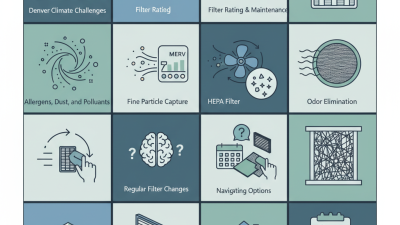
When selecting air filters in Denver, CO, consider the climate. The city experiences dry winters and high pollen counts in spring. These factors impact air quality significantly. Filters with a high MERV rating capture smaller particles effectively. Look for filters that combat allergens and dust, especially during peak seasons.
Another important aspect is the filter's lifespan. Some filters last only a month, while others can last up to three months. Choosing a longer-lasting filter may seem cost-efficient but could lead to reduced air quality if not monitored regularly. Dirty filters can hinder airflow and strain your HVAC system. Regularly checking filter status ensures optimum indoor air quality.
Lastly, consider your specific needs. Is anyone in your home sensitive to pollutants? Choosing a HEPA filter might be beneficial. However, higher efficiency also means higher resistance, which could affect your system's performance. Balancing filtration efficiency with system capability is essential. Reflect on your priorities and adapt your choices accordingly.
Air Filter Efficiency in Denver, CO
Understanding Denver's Air Quality and Its Impact on Health
Denver's air quality can significantly impact health. The region faces challenges like wildfires and urban pollution, leading to high levels of particulate matter. These pollutants can exacerbate respiratory issues, especially for vulnerable groups such as children and the elderly. Understanding these risks is vital when considering air filters.
Choosing the right air filter involves more than brand names. Look for filters with a high MERV rating; they trap smaller particles more effectively. Consider the environment of your home. If you live near busy roads or industrial areas, a more robust filter may be necessary.
Tips: Regularly check and replace filters to maintain efficiency. Clean the surrounding area of your HVAC system to reduce dust accumulation. Pay attention to seasonal changes; pollen counts can vary significantly. By being proactive, you help ensure cleaner air within your home, enhancing your family's overall health.
Types of Air Filters and Their Effectiveness for Local Conditions
When selecting air filters in Denver, understanding their types and effectiveness is crucial. Denver's high elevation and dry climate mean that dust and pollen are prevalent. According to the Environmental Protection Agency (EPA), particulate matter in the air can exacerbate respiratory issues. High-efficiency particulate air (HEPA) filters can capture 99.97% of particles down to 0.3 microns. This capability is essential for addressing local allergens.
Pleated filters also perform well, offering a larger surface area for trapping dust. They can last longer before needing replacement. However, they might not capture smaller particles as effectively as HEPA filters. Some studies suggest that a combination of filter types can provide the best indoor air quality. Research from the American Lung Association indicates that people with respiratory conditions benefit particularly from high-efficiency filters.
It's essential to regularly check and replace filters. Neglect can lead to decreased airflow and decreased effectiveness. The Denver climate can make it tempting to think filters last longer than they do. Furthermore, local conditions like wildfires may increase demand for quality air filtration. Regular maintenance is not just an option but a necessity for clean air.
Seasonal Changes and Their Influence on Air Filter Performance
Seasonal changes significantly impact air filter performance. In Denver, for example, the variations in temperature and humidity can influence air quality. During winter, the heating systems run often, recirculating indoor air and causing particles to accumulate in filters. Conversely, summer brings increased outdoor allergens, such as pollen. Choosing the right filter can help tackle these seasonal challenges.
When selecting an air filter, consider the MERV rating. A higher MERV rating means better filtration, capturing smaller particles. However, filters with high ratings may restrict airflow, impacting system efficiency. Find a balance that works for your HVAC system while ensuring clean air.
Tips: Regularly replace your air filters. Check them monthly, especially during peak seasons. Consider using pleated filters, as they generally offer better filtration without compromising airflow.
In the fall, it's essential to clean ducts from accumulated dust and debris. This will enhance filter effectiveness and overall indoor air quality. Reflect on how your environment changes with the seasons to adjust your air filter choices accordingly. Consistent maintenance is key to achieving the best performance.
Cost-Benefit Analysis of Air Filters for Denver Residents
When considering air filters in Denver, a cost-benefit analysis can reveal crucial insights. Denver's unique climate and pollution levels make air quality a priority. Investing in the right air filters directly impacts health and comfort. The upfront cost may seem high, but the long-term benefits outweigh this.
Many residents underestimate the need for quality air filtration. A good air filter not only traps dust but also reduces allergens. This can lead to fewer respiratory issues, which saves on medical costs later. Choosing filters with a higher MERV rating can enhance air quality but might require a bigger upfront payment.
**Tips:** Always check for energy efficiency ratings. Filters that operate efficiently can save money on energy bills. Consider the lifespan of filters to gauge long-term value. Sometimes, spending more upfront leads to savings over time. Don’t overlook the importance of maintenance; neglecting filters can lead to poor indoor air quality. The wrong choice could cost you more in the long run.
How to Choose the Best Air Filters in Denver Co? - Cost-Benefit Analysis of Air Filters for Denver Residents
| Filter Type |
MERV Rating |
Average Cost (Per Filter) |
Lifespan (Months) |
Effectiveness (%) |
| Pleated Filters |
MERV 8 |
$15 |
3 |
70% |
| HEPA Filters |
MERV 17 |
$50 |
12 |
99.97% |
| Electrostatic Filters |
MERV 10 |
$30 |
6 |
85% |
| Carbon Filters |
MERV 12 |
$40 |
6 |
90% |
| Washable Filters |
MERV 6 |
$75 |
24 |
50% |