Top 10 Air Filter Plastic Frame Manufacturers in China?
The air filtration industry plays a crucial role in maintaining air quality. With the growing concern over pollution, the demand for effective air filters is on the rise. A significant component of these filters is the plastic frame, which provides structure and durability. According to industry reports, the global air filter market is projected to reach $25 billion by 2027, with a notable share attributed to air filter plastic frame manufacturers in China.
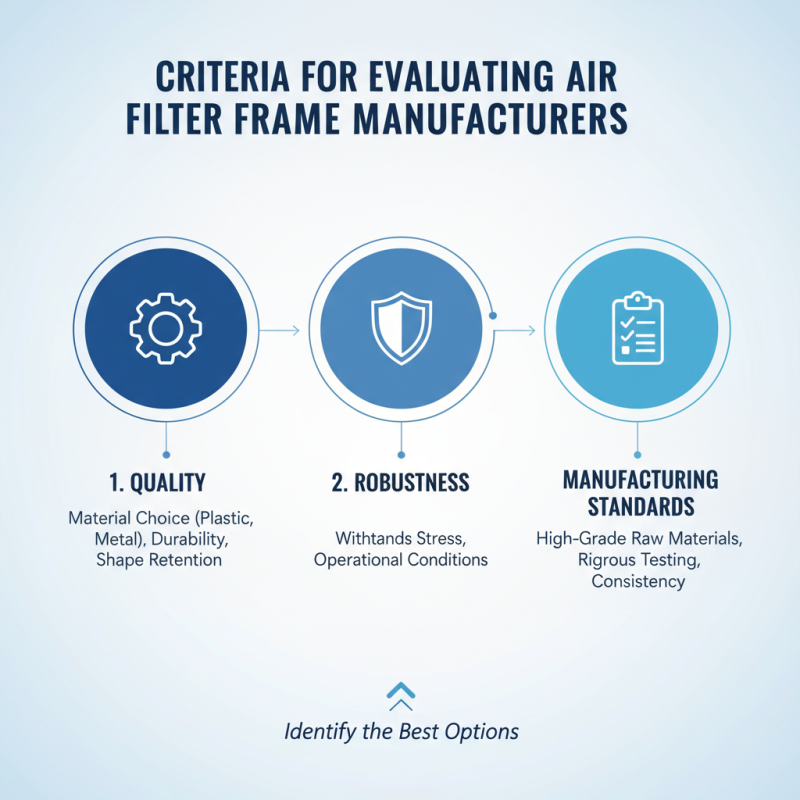
China is home to numerous manufacturers who specialize in producing high-quality plastic frames for air filters. These manufacturers are known for innovation and efficiency. Reports indicate that they hold over 30% of the global market share in this sector. However, not all manufacturers maintain the same standards. A few still struggle with quality control and sustainable practices. This inconsistency can affect the overall reputation of the industry, necessitating careful selection for buyers.
In summary, air filter plastic frame manufacturers in China are pivotal in shaping the industry. They contribute to product effectiveness and customer satisfaction. However, awareness of quality and ethical production must remain at the forefront of consumer choices. The future hinges on manufacturers that prioritize excellence and sustainability in their operations.

Overview of Air Filter Plastic Frame Industry in China
The air filter plastic frame industry in China has seen substantial growth in recent years. This growth is driven by increasing demand for air quality improvement solutions. Various sectors are integrating air filters to enhance indoor environments, from residential buildings to industrial facilities. The frames are lightweight yet durable, often made from high-quality plastics. This focus on quality has become crucial to meet the market's expectations.
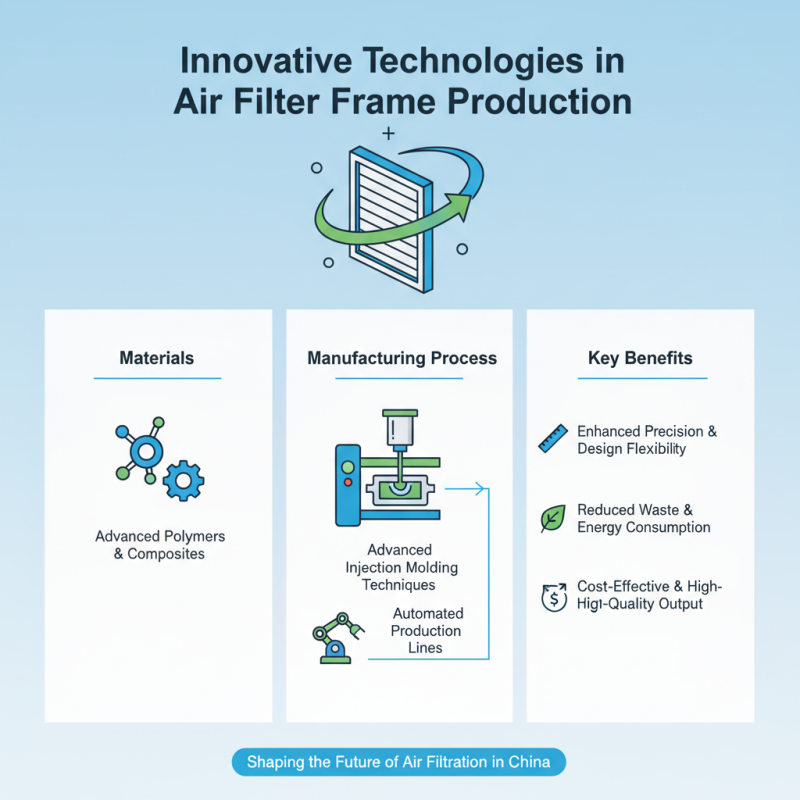
Manufacturers in China are exploring innovative designs and production techniques. Many players are investing in advanced machinery to increase efficiency. While competition is fierce, this has led to a wave of creativity. However, some manufacturers struggle with quality consistency. This inconsistency can sometimes harm their reputation in the market. Addressing these challenges is vital for long-term success and sustainability.
Additionally, the industry faces environmental concerns. The production and disposal of plastic frames contribute to pollution. More manufacturers are seeking eco-friendly alternatives. This shift reflects growing awareness and responsibility in the industry. Balancing innovation with sustainability is an ongoing challenge, requiring reflection and adaptive strategies.
Top Air Filter Plastic Frame Manufacturers in China
China stands as a significant player in the global air filter plastic frame manufacturing market. A report from the International Air Quality Association indicates that the market for air filters is expected to exceed $30 billion by 2025. Among the key drivers are industrial growth and stringent air quality regulations. This rapid expansion highlights the need for efficient and durable plastic frames in filter production.
Manufacturers in China focus on various materials, including polypropylene and polycarbonate. These materials ensure robustness and flexibility. In recent years, about 60% of production facilities have invested in automated technology. This automation boosts production efficiency and reduces labor costs. However, the quality control process remains a challenge. Some manufacturers still struggle to maintain consistent standards, leading to variations in product reliability.
Sustainability is another pressing concern. Many plants are adapting to eco-friendly practices. For example, incorporating recycled plastics in production is becoming more common. Despite these advancements, the industry must address the complexities of waste management. Continuous improvement in this area is essential. The commitment to environmental responsibility must grow alongside production capabilities.
Top 10 Air Filter Plastic Frame Manufacturers in China
| Manufacturer Rank |
Production Capacity (units/month) |
Annual Revenue (USD) |
Years in Operation |
Certification Standards |
| 1 |
500,000 |
10,000,000 |
15 |
ISO 9001, CE |
| 2 |
450,000 |
8,000,000 |
10 |
ISO 9001 |
| 3 |
400,000 |
7,500,000 |
20 |
CE, ROHS |
| 4 |
350,000 |
6,000,000 |
12 |
ISO 14001 |
| 5 |
300,000 |
5,500,000 |
8 |
ISO 9001, CE |
| 6 |
250,000 |
4,000,000 |
25 |
ISO 9001 |
| 7 |
200,000 |
3,500,000 |
5 |
CE, ROHS |
| 8 |
150,000 |
2,000,000 |
6 |
ISO 14001 |
| 9 |
100,000 |
1,500,000 |
3 |
ISO 9001 |
| 10 |
50,000 |
800,000 |
2 |
CE |
Market Trends and Future Predictions for Air Filter Frames in China
The demand for air filter plastic frames in China is witnessing a significant shift. With increasing pollution and health awareness, manufacturers are adapting to new market trends. The trend indicates a growing preference for eco-friendly materials and innovative design. Manufacturers must stay ahead by incorporating sustainable practices in their production.
Tips: Consider using recycled materials in your air filter frames. This not only reduces waste but also meets consumer demands for sustainability.
Technological advancements are also shaping the industry. Smart filters, integrated with IoT, are gaining traction. They provide real-time monitoring of air quality. Adopting such innovations can enhance a manufacturer's competitive edge.
Tips: Evaluate the potential for automation in your production process. Automated systems can improve efficiency and reduce costs.
The future for plastic frame manufacturers looks promising yet challenging. Staying informed about market needs is crucial. Adapting to changes requires flexible strategies. Take time to assess your production methods.